Narayanhiti Palace: A Glimpse into Nepal’s Royal Past
Narayanhiti Palace is more than just a historical building; it holds stories of Nepal’s royal past, political changes, family traditions, and events that shaped the nation. Its history goes back to the early days of the Narayanhiti area, passing through the Rana period and eventually becoming the principal residence of the Shah royal family. Over the years, the palace witnessed the rise and fall of powerful rulers, changes in its architecture, and some of the most significant moments in Nepal’s history, including the tragic Royal Massacre of 2001. With the end of the monarchy in 2008, the palace began a new chapter as a public museum, allowing people to explore the rooms, belongings, and spaces that were once part of royal life. Through this collection,we bring together the history of Narayanhiti Palace, from its origins and transformations to the events that took place within its walls.
 Curated by Pragati Baral

The Palace Earlier Narayanhiti Palace
1921-1948

The Palace Earlier Narayanhiti Palace
1921-1948
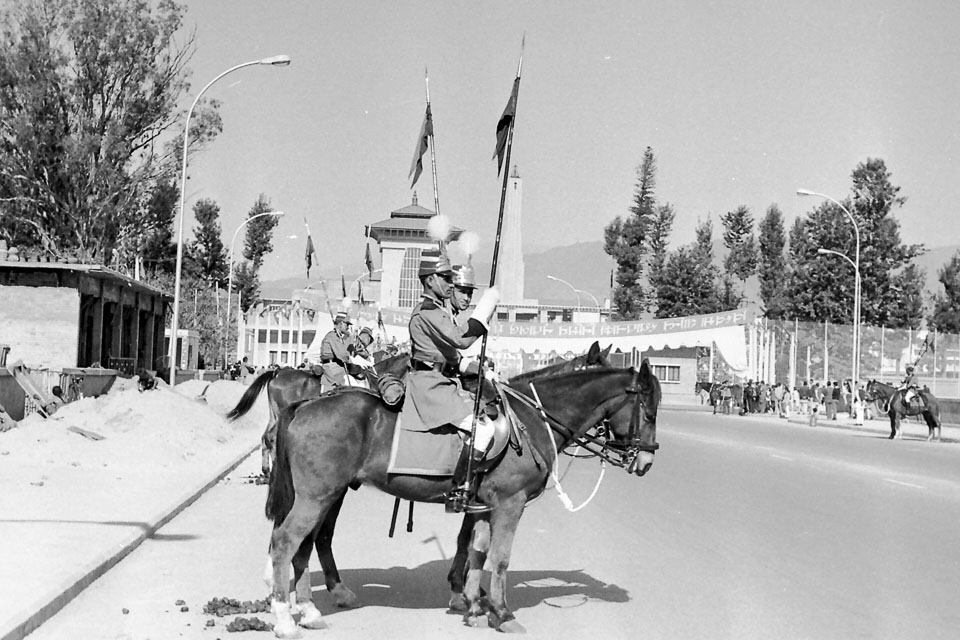
Photo by Doug Hall
1969

Photo by Jerry Young
1972

Photo by Mike Gill and Barbara Butterworth
1975

Palace facing South Earlier Narayanhiti Palace
1921-1948

Photo by Rich Pfau
1975

Photo by Jerry Young
1972

Kathmandu #26 Palace 1995
1995
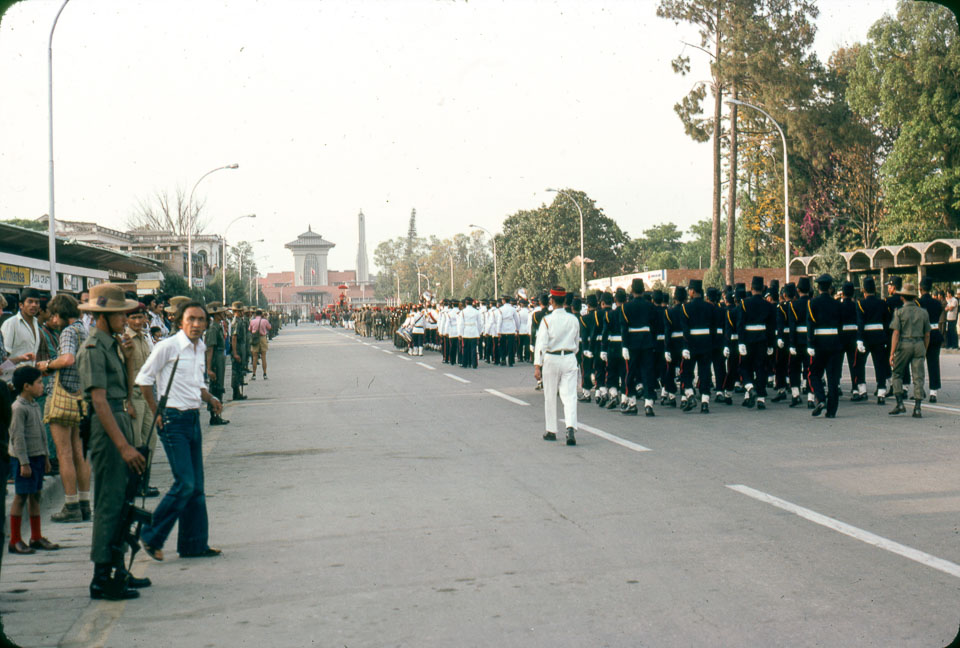
Photo by Virgil Miedema
1967-1969

High Officials in the palace
Late 1800s-Early 1950s

The inside of a palace
Late 1800s-Early 1950s

Photo by Rich Pfau
1975

King Mahendra Bir Bikram Shah Dev
Late 1800s-Early 1950s

King Birendra Bir Bikram Shah
Late 1800s-Early 1950s

King Prithvi Bir Bikram Shah and Maharani
1877-1950

Painting of King Surendra Bir Bikram Shah
Late 1800s-Early 1950s

King Tribhuvan Bir Bikram Shah in his coronation robe
Late 1800s-Early 1950s

Kathmandu #27 Royal Palace 1995
1995
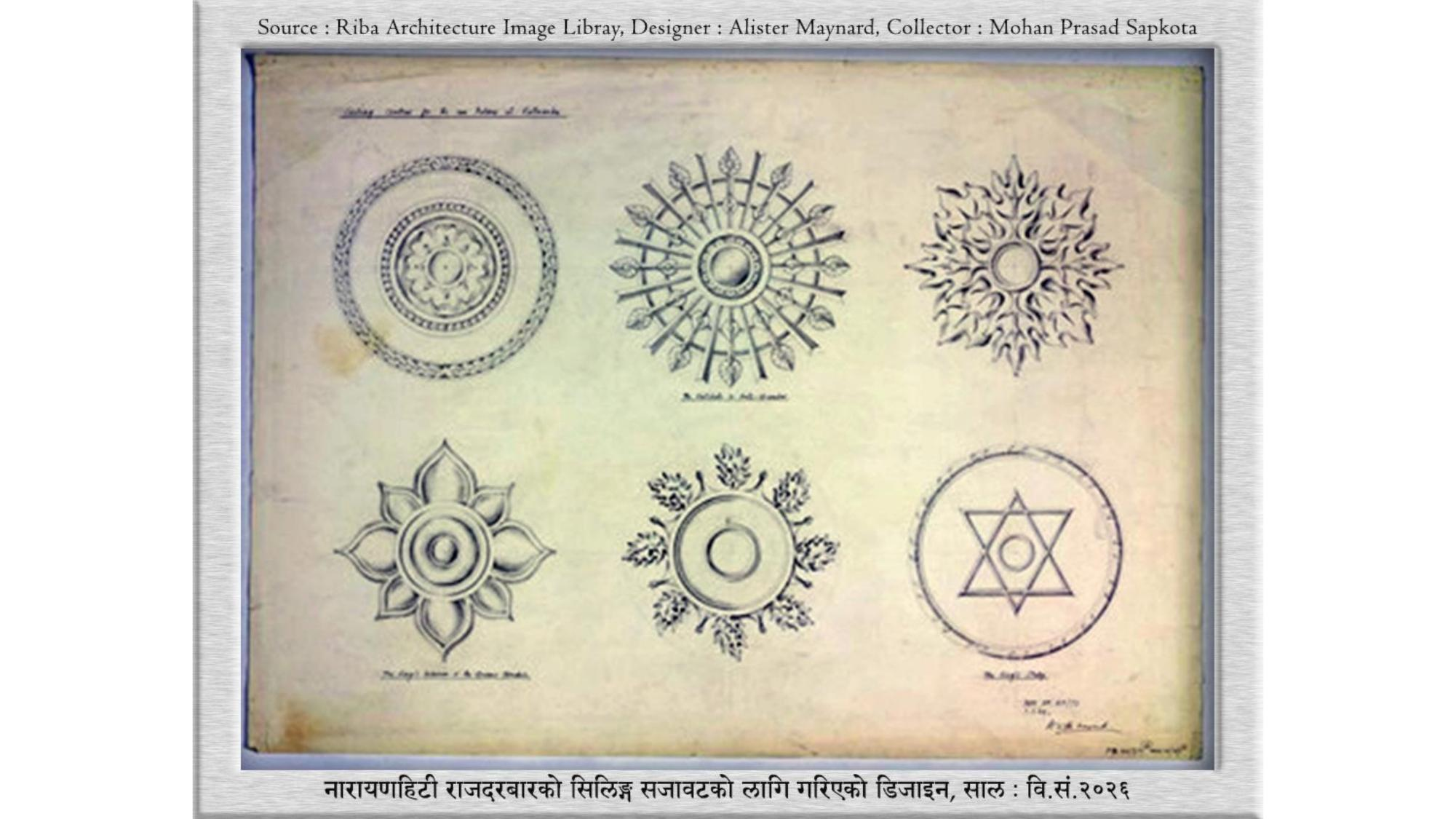
image(15)

King Prithvi Narayan Shah (left)
Late 1800s-Early 1950s